The National Three Peaks Challenge
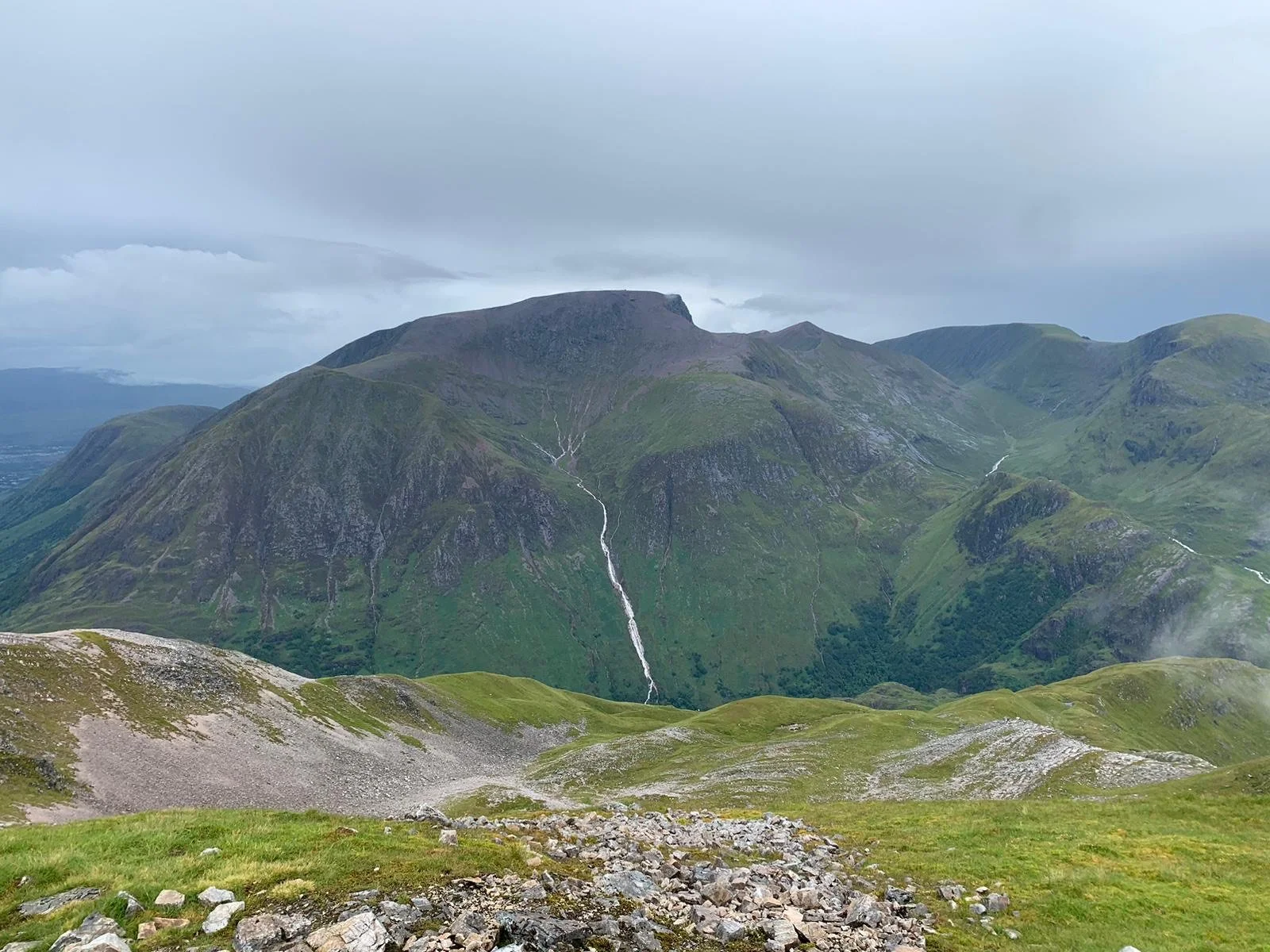
The National Three Peaks Challenge, often referred to as the “Nationals” or simply the “3 Peaks,” is one of the UK’s most iconic walking challenges. Participants attempt to summit the highest mountains in Scotland, England, and Wales within a single continuous challenge—typically completed in 24 hours. The three peaks are Ben Nevis (1,345m), Scafell Pike (978m), and Yr Wyddfa / Snowdon (1,085m).
Over the course of the challenge, participants can expect to spend around 13 hours walking and climbing, with approximately 11 hours travelling between mountains in a support vehicle. Careful planning is essential, as much of the challenge takes place on the road. Setting realistic cut-off times for each peak helps keep teams on schedule and increases the likelihood of a successful completion. Completion in a 24 hour period typically sees a success rate of 30-40%.
Each mountain is usually climbed via its most popular and well-established route. Ben Nevis is typically ascended using the Mountain Track (formerly known as the Tourist Path), starting from Glen Nevis. This route is around 17km round trip with approximately 1,350m of ascent and, while non-technical, requires good navigation skills near the summit, especially in poor visibility.
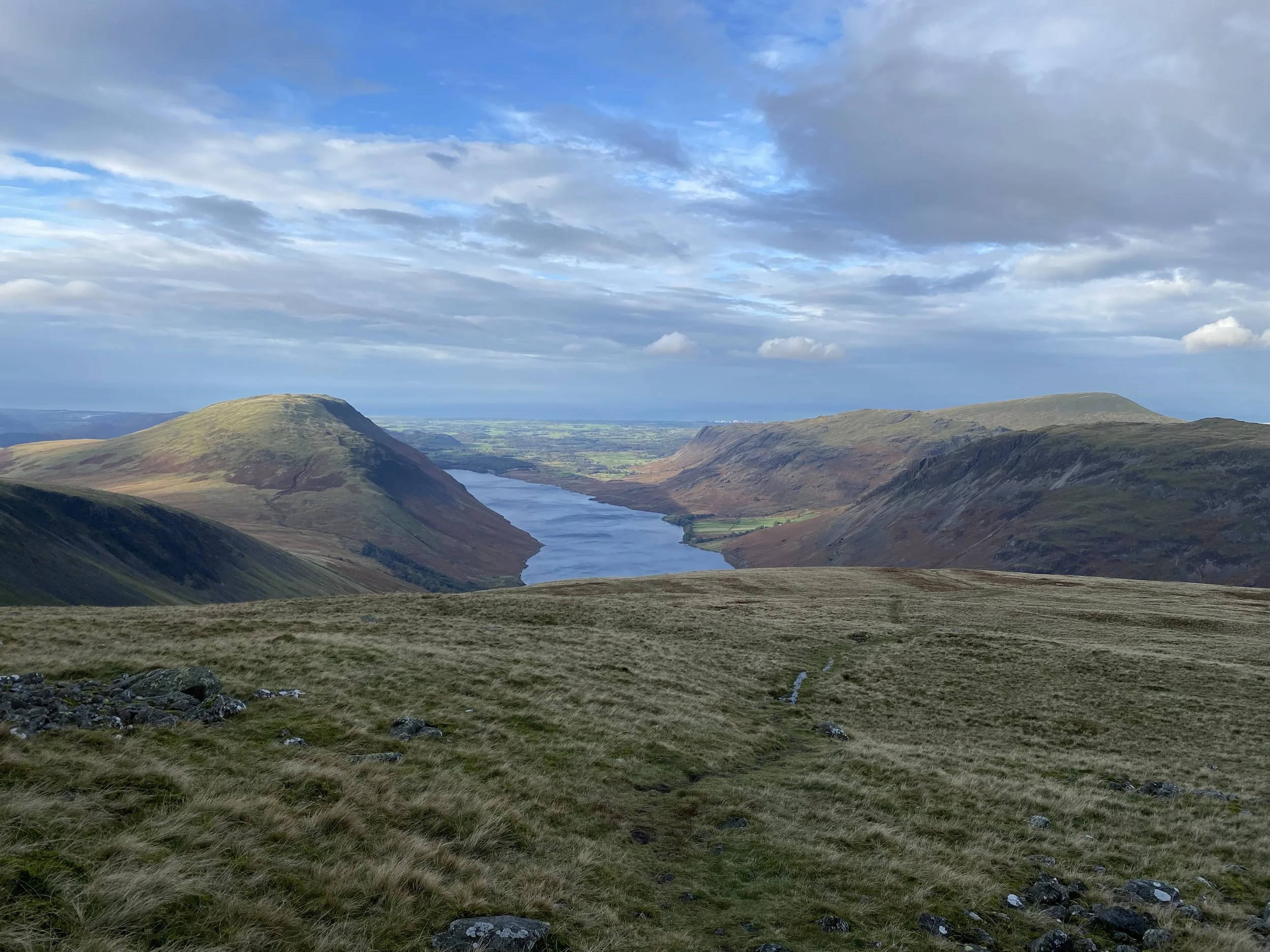
Scafell Pike is most commonly tackled via the Wasdale Head route (up via Lingmell Beck) as and out and back. This ascent is approximately 6km round trip with around 900m of ascent and involves rocky, uneven terrain. Some teams opt for the Seathwaite route, which is longer but slightly less steep, depending on time constraints and conditions.
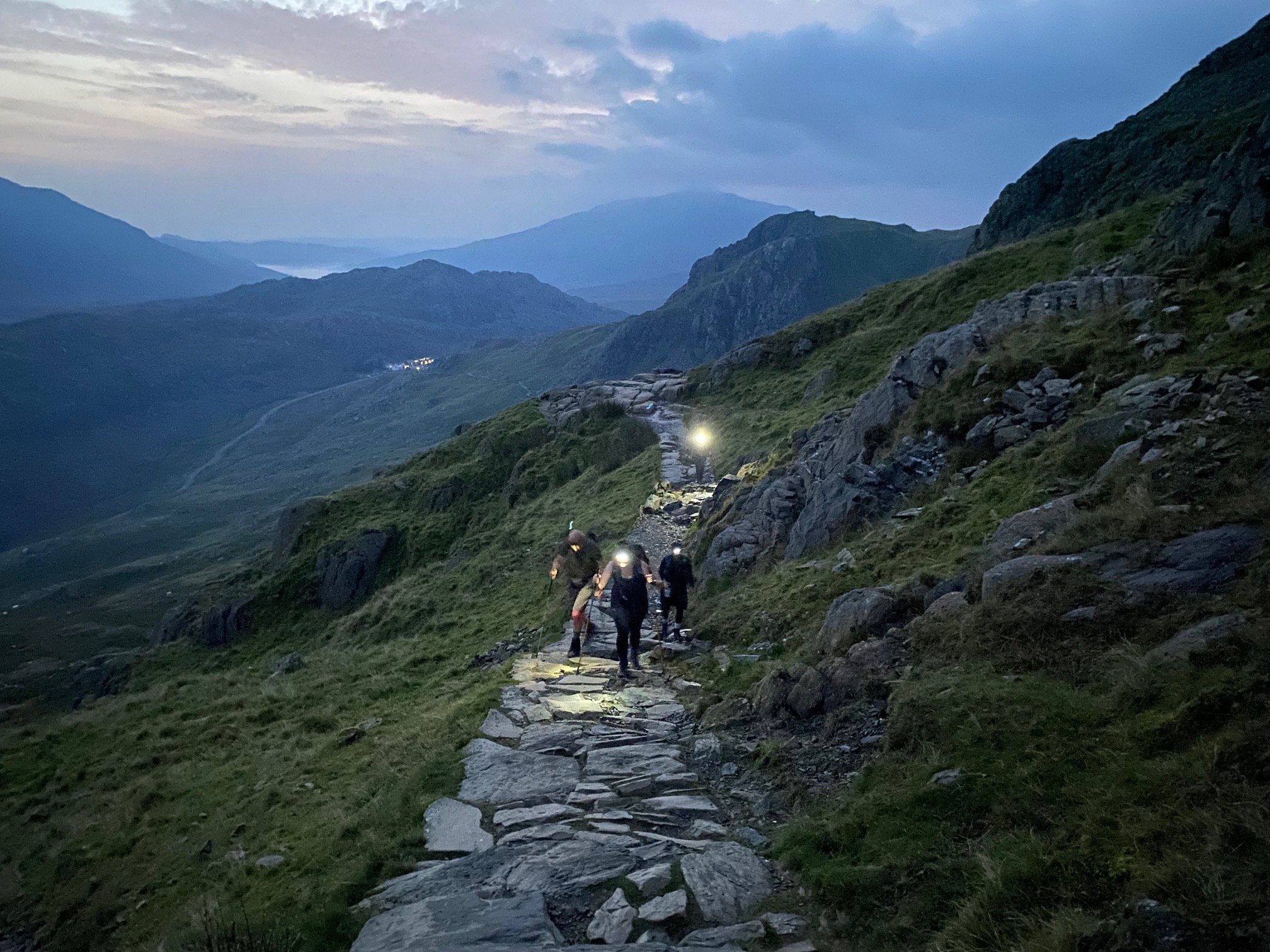
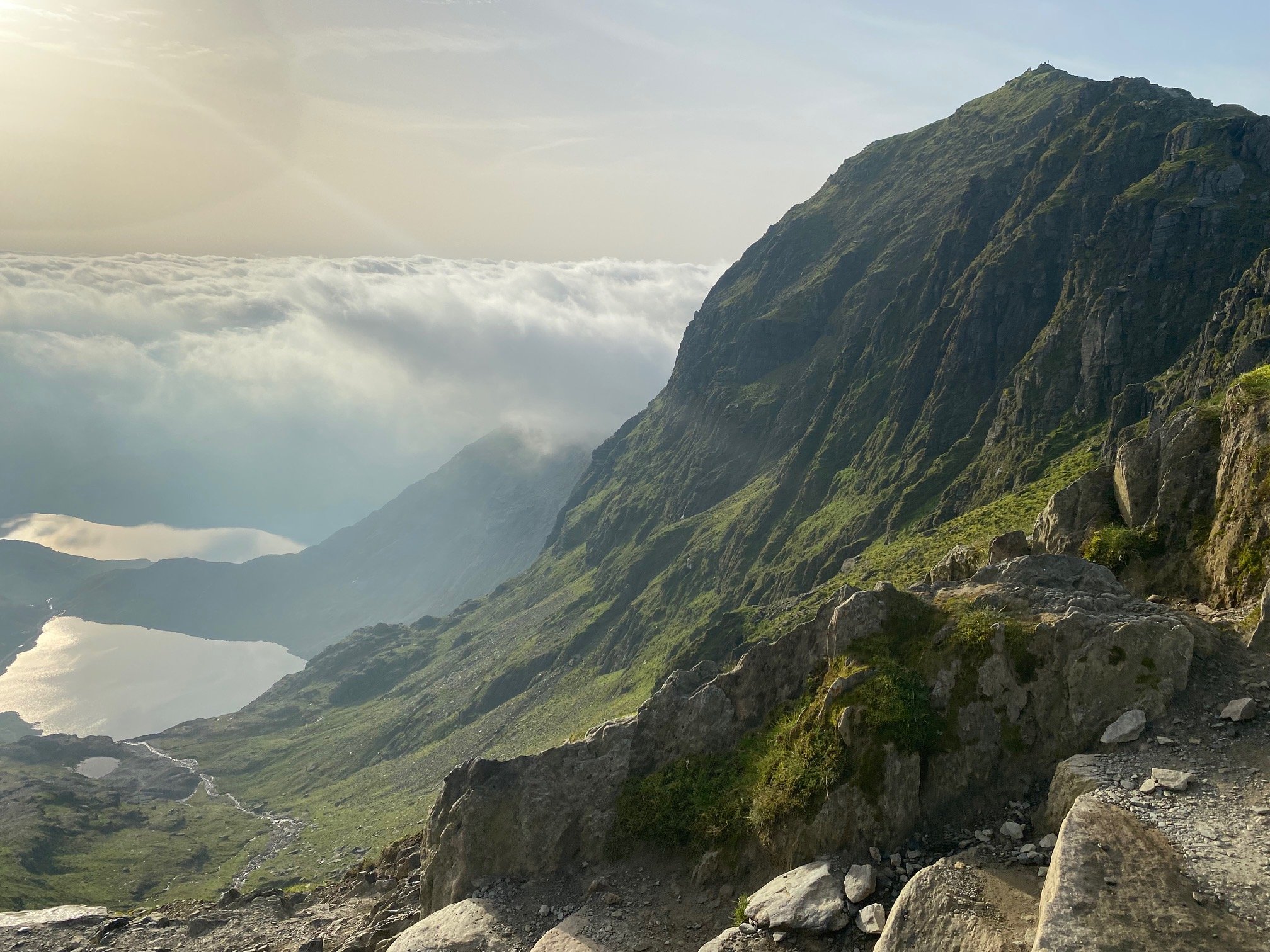
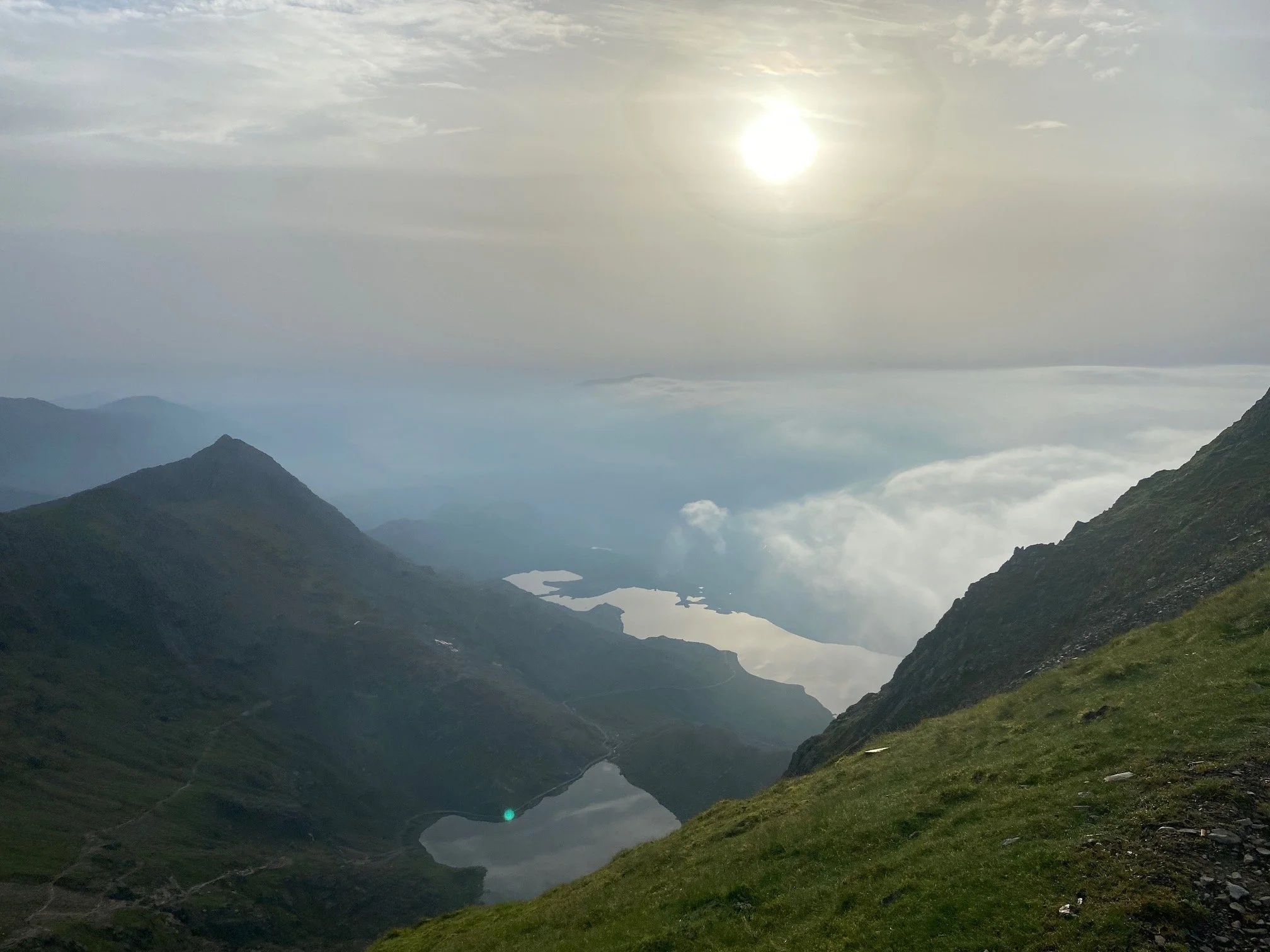
Yr Wyddfa (Snowdon) is usually climbed via the Llanberis Path, the longest but most gradual route, starting from Llanberis village. This route covers roughly 14km round trip with around 950m of ascent and is often chosen for its straightforward navigation, particularly during night or early-morning climbs. Alternative routes such as the Pyg Track or Miners’ Track from Pen -Y-Pass are also options.
Start times vary depending on the season and available daylight, with common start times being early morning, midday, or early evening. Maximising daylight hours is key, and where possible, avoiding climbs between midnight and 4am can help participants feel more rested and better prepared for the final ascent.